
Lacy on Christmas morning.

Using the china and crystal from Pittsburgh for Christmas dinner.

Michael in a festive mood.


 Oh, yes -- the other guests were Lacy, Boris and Max -- all on their very best behavior.


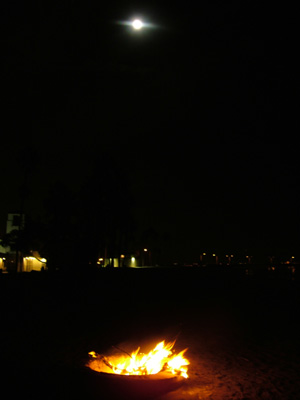
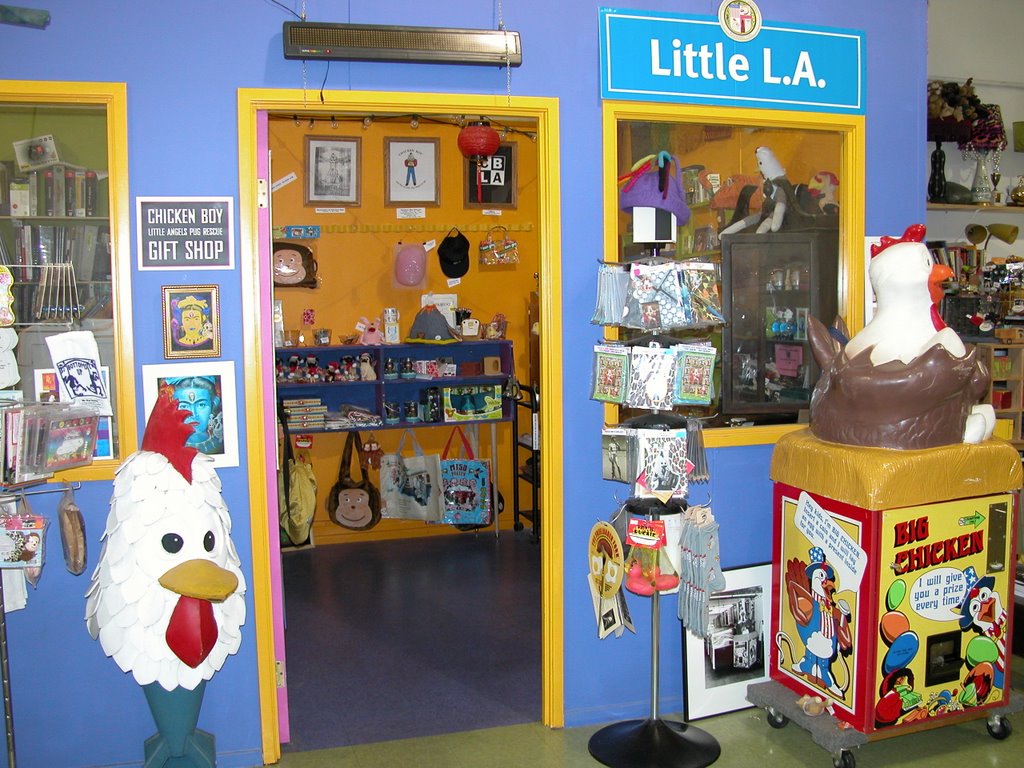




 Suzanne Siegel’s assemblages, created from her mother’s 50s-era lingerie as well as natural objects and domestic artifacts ranging from rose petals to razor blades, carry implicit social commentary and bittersweet emotion. Ordinary items are delicately modified in ways that embody a material vision both whimsical and surreal. Siegel approaches these remains of her mother’s wardrobe as a language to be interpreted; her pieces communicate longing, secrecy and loss reflective of her mother’s personal history. As an artist, Siegel finds it crucial to interpret and contextualize what she reads and engages with in these items of apparel as common to the ordinary experience of many other women and part of a larger socio-cultural picture.
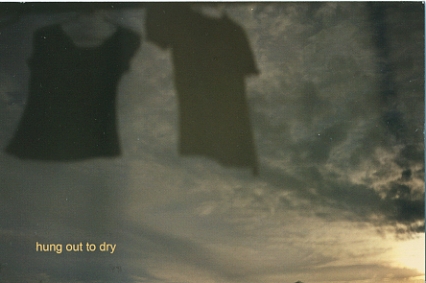
 Deborah Thomas finds herself compelled to “time travel” into her family’s past, as she puts it, by working conceptually with family photographs and slides found while cleaning out her parents’ house. Her work is motivated by a desire to re-visit family relationships she remembers from childhood. After selecting images that resonate intimately for her, she maps out formal groupings according to patterns and repetitions only marginally related to any information the photos might convey. What results is a shift in emphasis away from any particular personal content or affect attached to the images to a more suggestive and universal zone of perception neither purely representational nor non-representational.
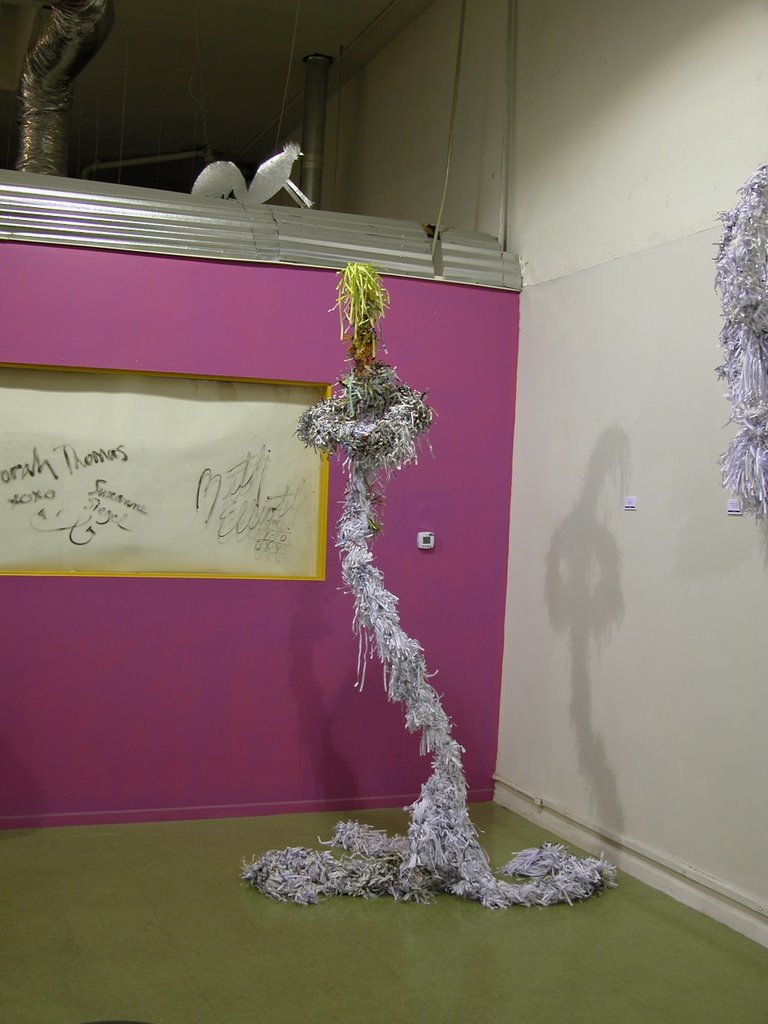
 Beth Elliott, who describes her work as “destruction and creation,” relies on visceral process to cope with the shredded personal papers and junk mail addressed to her parents that continues to arrive in her mailbox. In order to make a universal statement, she shreds and braids the paper into irregular sculptural forms that are dynamic in their materiality yet restrained by means of her hands-on engagement with the paper discards. She produces organic shapes that reveal pre-logical formal qualities as well as an unexpected randomness or lightness of being.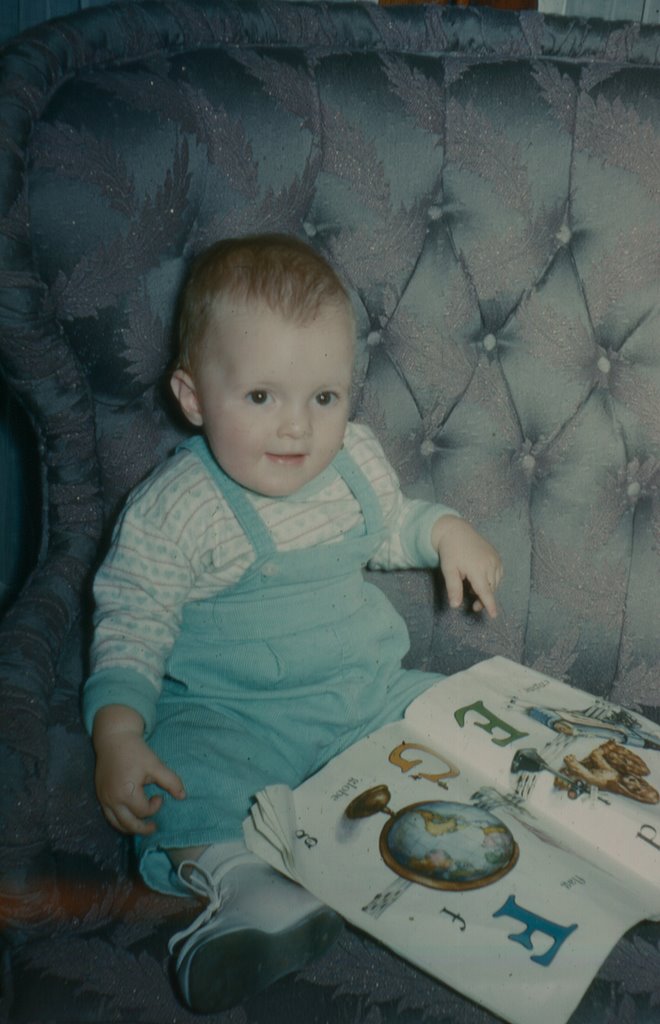


 Posts
All Comments
Posts
All Comments


